
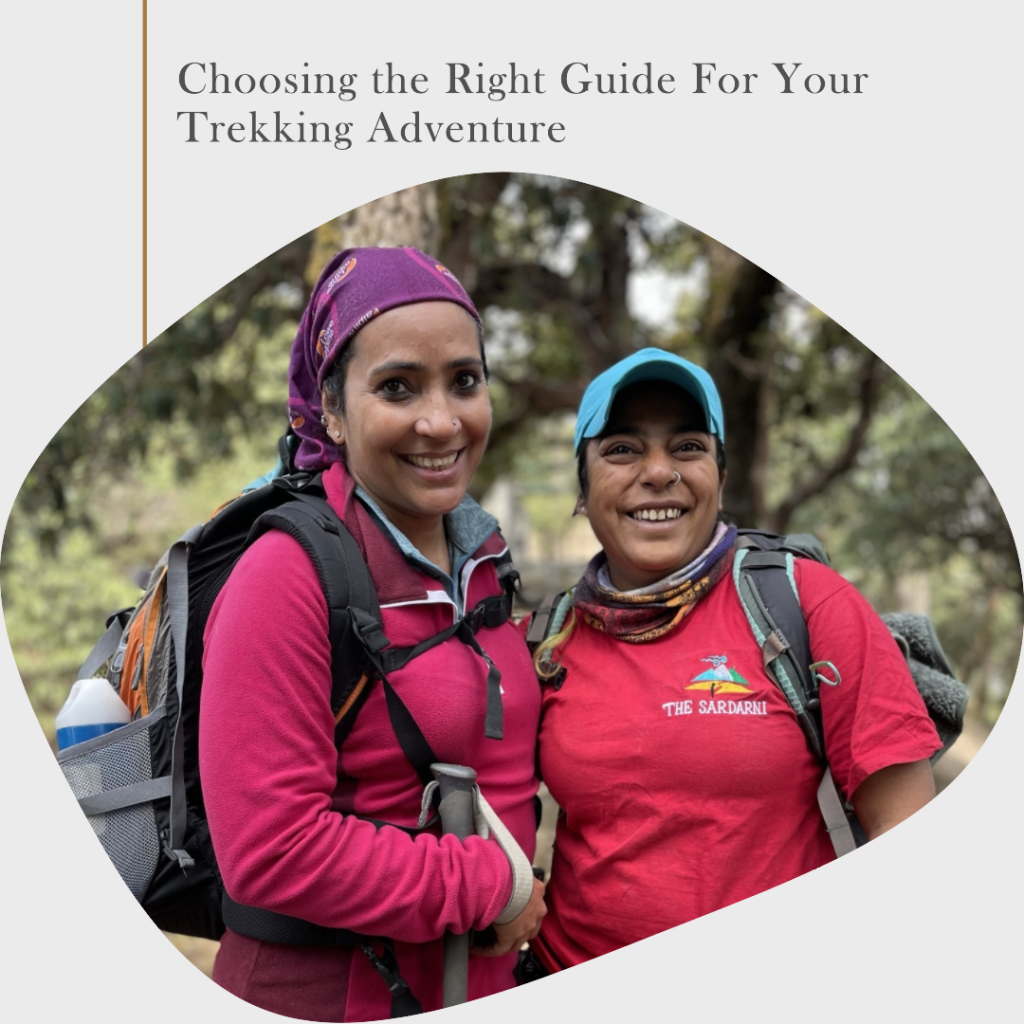
- Embarking on a high-altitude trek through the majestic Himalayan landscapes or a low-altitude trek through the ever withstanding Sahyadris is an experience like no other. The rugged beauty, cultural richness, and breathtaking vistas make it a journey of a lifetime. However, venturing into the Himalayas or the Sahyadris demands more than just enthusiasm and a sense of adventure. The key to a safe, fulfilling, and enriching trek lies in selecting the right guide.
- A seasoned Himalayan or Sahyadris trekking guide is more than just a leader; they are your compass through uncharted territories, your guardian amidst challenges, and your window into the heart of local culture and nature. To ensure you choose a guide who not only matches your aspirations but also prioritises your safety and experience, it’s imperative to ask a series of essential questions before embarking on your journey.
- In this guide, we highlight the critical questions to pose to your potential guide. Beyond their qualifications and experience, these inquiries provide invaluable insights into their preparedness, professionalism, and commitment to making your trek an unforgettable adventure.
- What are their qualifications? Understanding the guide’s qualifications provides insight into their expertise and credibility. Inquire about certifications from relevant trekking organisations, wilderness training programs, and any specialised courses they might have completed. This question helps you gauge their formal training and dedication to their profession.
- What training have they had? Beyond qualifications, ask about their specific training. This could include courses in wilderness survival, first aid, altitude sickness management, navigation, rescue experience and more. This question helps you assess their preparedness to handle various challenges that might arise during the trek.
- What is their experience in the mountains and with guiding? Experience matters greatly when it comes to guiding treks, especially in the Himalayan or Sahyadri wilderness. Inquire about the number of treks they’ve led, the types of treks they’ve guided, and their familiarity with the specific region you’re trekking in. A guide with extensive experience is likely to be better equipped to handle unexpected situations and provide valuable insights.
- Do they have adequate first aid training? First aid skills are crucial in remote and high-altitude environments where medical help might be far away. Ask about their first aid training and if they have certifications like Wilderness First Aid. A well-prepared guide should be capable of addressing injuries, altitude-related issues, and other medical emergencies.
- What safety protocols and guidelines do they follow? Safety should be a top priority. Inquire about the safety protocols the guide adheres to during the trek. This could involve details about acclimatisation, rest days, emergency communication, and group management. Their commitment to safety reflects their professionalism and concern for trekkers’ well-being.
- What are their worst-case scenario protocols? It’s essential to know how the guide handles worst-case scenarios such as severe weather, accidents, or medical emergencies. Ask about their contingency plans, evacuation procedures, and how they communicate with local authorities or rescue teams.
- What is their knowledge about local flora and fauna? A knowledgeable guide enhances the trekking experience by providing insights into the local environment. Inquire about their understanding of the local plants, animals, and ecosystems. This adds an educational and immersive dimension to the trek.
- What is their knowledge about local history and culture? The Himalayas have rich cultural and historical significance. A guide who can share stories about the region’s history, traditions, and indigenous communities can make the trek more culturally enriching.
- What is their knowledge about local myths, legends, and mythology? Understanding local myths and legends adds a fascinating layer to the trek. Guides who can share these stories help trekkers connect with the region’s cultural and spiritual aspects.
- What is their understanding of the role of a guide? This question helps you gauge the guide’s perspective on their responsibility. A dedicated guide understands that their role involves not only ensuring your safety but also enhancing your overall experience through education, support, and leadership.
- How do you handle altitude sickness? Altitude sickness is a real concern in the Himalayas. Ask about the guide’s approach to preventing and managing altitude-related issues. Their knowledge of symptoms, acclimatisation strategies, and awareness of when to descend can be crucial.
- How do you manage waste and promote responsible trekking practices? Responsible trekking includes leaving minimal ecological impact. Inquire about the guide’s waste management practices, their commitment to Leave No Trace principles, and any efforts to promote sustainable trekking.
- How do you handle unforeseen weather changes? Weather in the mountains can be unpredictable. Ask about their approach to changing weather conditions, and whether they have alternative routes or plans in case of inclement weather.
- What sets your guiding services apart from others? This question gives the guide an opportunity to highlight their unique selling points. Their answer can reveal their commitment to exceptional service and what they believe distinguishes them from other guides.
By asking these questions, you’ll gain a comprehensive understanding of your trekking guide’s qualifications, experience, and approach to guiding. This information will greatly contribute to a safe, enjoyable, and culturally enriching trekking experience in the breathtaking Himalayan and Sahyadri landscapes.
 Bohemian Adventures LLP