
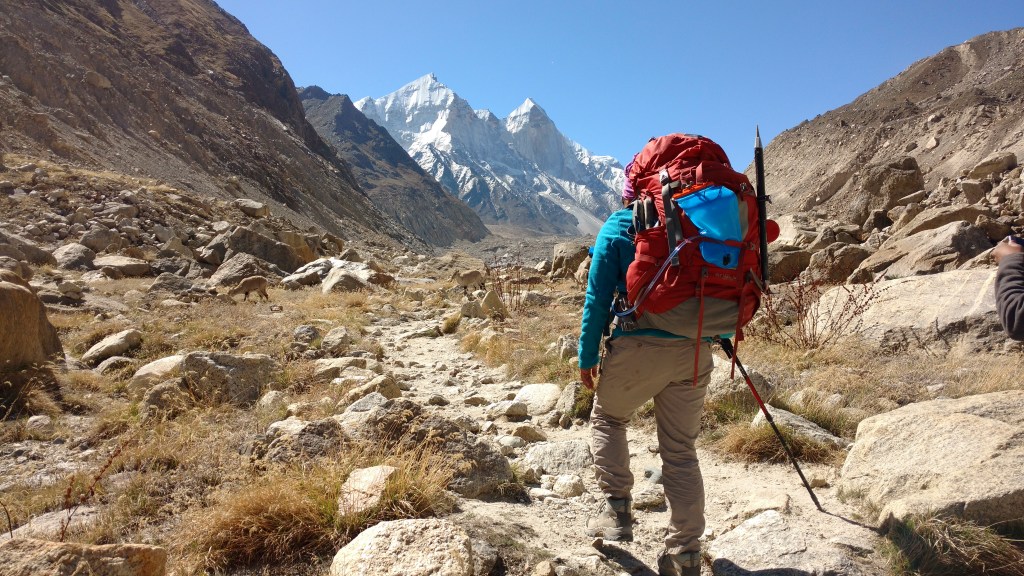
Do the Himalayas stir a mix of excitement and uncertainty within you? Have you ever dreamt of navigating these awe-inspiring routes, only to feel overwhelmed by where to start? The Himalayas, often referred to as the ‘Abode of the Snow’, possess an enchanting allure that has captivated adventurers from around the globe. The call of this colossal mountain range is irresistible, transcending skill levels and beckoning both seasoned mountaineers and novice trekkers alike. Embarking on a journey through the Himalayas is a remarkable adventure that should be embraced at least once in a lifetime.
Distinguishing Trekking from Hiking
It’s crucial to understand the distinction between trekking and hiking. Hiking usually entails traversing shorter routes, while trekking involves more ambitious, multi-day journeys encompassing diverse terrains and altitudes. However, don’t be intimidated by the prospect of trekking. If you can walk, you can trek. While it doesn’t demand extraordinary skills, proper planning, suitable clothing, appropriate footwear, and basic common sense are essential to ensure a successful journey.
Navigating High Altitudes
High altitudes typically commence at around 8,000 feet (2,438 metres) above sea level and extend to the extremes where oxygen levels significantly decrease. The summit of Everest, towering at 29,035 feet or 8,848 metres, marks the pinnacle of physical ascent. Treks within this range are categorised as high altitude endeavours. Even within this expanse, there exist sub-classifications determined by increasing altitude. Further details regarding these categories can be explored in our blog titled ‘High Altitude: Fantastic Yet Dangerous’.
Preparation: Physical and Mental Conditioning
Embarking on a Himalayan trek demands a degree of physical and mental readiness. If a regular fitness routine isn’t part of your daily life, allocating four to six weeks to build your stamina before the trek is advantageous. Begin with activities such as walking for 1-2 hours on flat terrain initially, gradually advancing to 3 hours on inclines while carrying a backpack weighing around 5 kilograms. Enthusiasts of gym workouts can enhance their endurance by incorporating uphill treadmill walks with a backpack. Focusing on breathing techniques, particularly suited for higher altitudes with thinner air, is paramount.
Selecting the Right Season and Preparing for Challenges
The best times for Himalayan treks are typically during the pre-monsoon (April-June) and post-monsoon (August-November) seasons. Extensive research about the region, interactions with experienced trekkers, and thorough trip planning are essential. Embrace the principle of respecting the environment and adhering to safety standards. Remember that trekking in the Himalayas transcends a leisurely stroll; it’s an immersion in the untamed beauty of nature. Choose a reputable adventure company with certified guides who prioritise safety.
Choosing Your Trekking Destination
The Himalayas offer a spectrum of treks catering to various skill levels, from newcomers to seasoned climbers. Regions like Uttarakhand, Himachal Pradesh, Arunachal Pradesh, Sikkim, Kashmir, and Ladakh provide diverse trekking experiences. For beginners, treks within altitudes ranging from 8,000 to 14,000 feet serve as excellent starting points.
Essentials for a Fulfilling Trek
Carrying a route map is a prudent practice. Familiarise yourself with altitude sickness, a condition stemming from rapid ascents to high altitudes without proper acclimatisation. Invest in a well-fitting backpack equipped with padded shoulder straps and multiple pockets, ensuring your load doesn’t exceed 15kg. Footwear designed for trekking offers superior support and traction. Opt for a pair that’s slightly roomier than your regular shoes to accommodate potential foot swelling during treks. For a comprehensive list of trekking essentials, consult our dedicated blog post.
Embarking on a Himalayan trek constitutes a transformative journey. Adequate preparation, an attitude of respect towards nature, and the right gear are pivotal in ensuring a rewarding and indelible experience amidst these majestic mountains. Remember, the Himalayas are not merely a destination; they are a captivating saga waiting to unfold under your footsteps.
 Bohemian Adventures LLP