Ask Your Adventure Travel Company


Embarking on an adventure journey is a thrilling prospect, a chance to discover the world’s most captivating landscapes and challenge your personal limits. However, the success and safety of your adventure heavily rely on the adventure travel company you choose. With a plethora of options available, it’s vital to ask the right questions before committing to a company. In this guide, we’ll walk you through a comprehensive list of questions to pose to adventure travel companies, ensuring you make an informed decision that leads to a memorable and secure experience. From guide qualifications to safety protocols, ethical practices to environmental responsibility, we’ve got you covered with everything you need to know before embarking on your next great adventure.

  1. Client to Guide Ratio: The client to guide ratio is crucial for personalised attention and safety. A lower ratio allows guides to focus on each individual’s needs, enhancing the overall experience and safety measures during the adventure. We follow a standard 3:1 client to guide ratio. We bring this down still more if the group dynamic calls for it. 
  2. Guide Qualifications: Inquire about the guides’ certifications, training, and experience. Experienced guides with certifications in wilderness first aid, rescue techniques, and local knowledge can greatly enhance the quality of the adventure. Our guides are Basic, Advance and Search and Rescue Courses qualified. They also have valid first-aid courses under their belt. 
  3. Safety Protocols: Understanding the company’s safety protocols is paramount. Ask about their risk management plans, emergency response procedures, and how they handle unexpected situations to ensure your safety throughout the journey. 
  4. Adventure Insurance: Having adventure insurance helps cover unforeseen events, medical emergencies, and trip cancellations. Make sure the company provides options for adventure-specific insurance to protect yourself and your investment. Also ask if they properly insure their staff and guides. We provide high risk insurance cover from ASC360 for all our clients, guides and staff. We do not differentiate and get the same insurance for clients and the staff.
  5. Tourism Department Registration: Confirm if the company is registered with state or central tourism departments. This ensures they meet certain legal and safety requirements and adhere to regulations. If not, be sure to ask why they are not registered. We are registered with the Uttarakhand State Tourism Department and are in the process of getting our registration with the central government. 
  6. Membership with ATOAI: Being a member of the Adventure Tour Operators Association of India (ATOAI) reflects a commitment to industry standards and ethical practices. If a company isn’t a member, inquire about their reasons for not joining. We are members and Guneet is on a sub committee called the ATOAI Women’s Collective that focuses on women’s related issues in the industry. 
  7. Equipment Quality: The quality of equipment significantly impacts your adventure. Ask about the condition and maintenance of gear such as tents, sleeping bags, and safety equipment. Well-maintained gear ensures comfort and safety. 
  8. Group Size: Knowing the number of trekkers in each batch affects the group dynamics and overall experience. Smaller groups lead to more personalised interactions with guides and fellow travellers. Our standard group sizes are between 8 to 9 trekkers.
  9. Fixed or Rolling Camps: Inquire if the company uses fixed camps (staying at one location) or rolling camps (moving campsites). This affects the type of experience you’ll have and your level of comfort during the adventure. It also sheds light on the company’s environmental policy and their adherence to it. Rolling camps are better for the environmental health of trails.  
  10. Ethical Staff Payments: Ask about the company’s approach to compensating their staff. Ethical treatment and fair wages for guides, porters, and support staff indicate a responsible and socially conscious company. We pay our guides and staff higher than industry standards. 
  11. Worst Case Scenario Protocols: Understanding how the company handles worst-case scenarios, such as natural disasters or medical emergencies, is vital. Their protocols for evacuations, communication, and managing emergencies demonstrate their commitment to your safety. We have volunteered in rescue and relief efforts in 3 different mountain disasters thus we have an excellent handle on how to build our protocols for these situations and how to act quickly in an emergency.
  12. Local Community Engagement: How does the company engage with and support the local communities in the areas they operate? Responsible tourism includes contributing positively to the communities you visit. We have local guides and staff from each valley we operate in. We also take our social responsibility seriously and we regularly sponsor girls from the mountain villages to gain their certifications so that they can make a decent career in the adventure tourism industry.
  13. Environmental Practices: Inquire about the company’s commitment to minimising environmental impact. Ask about waste disposal, recycling efforts, and practices to leave no trace in natural areas.
  14. Food and Dietary Requirements: If you have dietary restrictions or preferences, ask how the company accommodates these needs during the adventure. Good nutrition is essential for sustaining your energy during treks.
  15. Physical Fitness Requirements: Understand the physical fitness level required for the adventure. This ensures you’re adequately prepared for the challenges of the trek or activity.
  16. Reviews and References: Request references from past participants or read online reviews. Hearing about others’ experiences can provide valuable insights into the company’s services.
  17. Pre-Trip Preparation: Ask about the pre-trip information provided, including packing lists, fitness preparation recommendations, and any necessary documentation. We extensively communicate with all our clients before each trek to prepare them for the trek. With help in getting fit and with zoom calls to help with packing and any other questions the clients may have.
  18. Communication during the Trip: Inquire about the communication channels the company uses during the adventure. Knowing how to reach the guides or company in case of non-emergencies is useful.
  19. Crisis Management Plan: Delve deeper into the company’s crisis management plan. Ask how they handle unforeseen events, manage logistics during emergencies, and communicate with participants’ families if necessary.
  20. Cultural Sensitivity and Education: Find out how the company educates participants about the local culture, customs, and etiquette. Cultural sensitivity enriches the experience and fosters mutual respect.
  21. Altitude Sickness and Medical Support: If your adventure involves high altitudes, ask about the company’s approach to altitude sickness prevention and treatment. Inquire about the availability of medical support during the trip.
  22. Itinerary Flexibility: Understand if the company allows for flexibility in the itinerary to accommodate unexpected changes in weather, trail conditions, or other factors.
  23. Group Dynamics: Ask about the typical composition of groups – diverse in age, nationality, or experience. This gives you an idea of the kind of fellow travellers you’ll be with. As our treks are open to inclusivity we take the group dynamic aspect quite seriously. We inform all our clients about the dynamic on a particular trek and take extra guides if the group dynamic is skewed in anyway. 
  24. Post-Trip Services: Inquire about any post-trip services, such as feedback collection, follow-up, or opportunities for sharing your experience with others.

Remember, the more information you gather from these questions, the better you can assess whether a particular adventure travel company aligns with your preferences, values, and expectations for an unforgettable experience. You’ll be better equipped to make an informed decision when choosing an adventure travel company. Prioritising safety, ethical practices, qualified guides, and a high-quality experience will contribute to a memorable and enjoyable adventure.


33 Things to Carry for a Perfect Trek

Embarking on a trekking adventure is a thrilling escape into the heart of nature’s beauty. As you prepare to navigate new heights and traverse awe-inspiring landscapes, the key to a perfect trek lies in the articles  you bring along. Our guide to the ’33 Things to Carry for a Perfect Trek’ is your compass to a seamless and unforgettable journey. From essential gear that ensures safety and comfort to thoughtful extras that enhance your experience, we’ve curated a comprehensive list to help you pack smart and light. So, lace up your boots and get ready to unlock the secrets of a well-prepared trek that promises both exhilaration and tranquility.

Let’s start at the very beginning. A very good place to start, when you read you begin with ABC; when you pack you begin with…

Where do you begin when you pack for a trek? How do you fit everything you need for a week or more into a 60L rucksack? What do you take, what do you leave behind? The most important question of them all, especially for us women, how many to take? How many pants do I pack, how many t-shirts, how many undies, etc.?

Well I am going to break it down for all you ladies out there. From comprehensive packing details to tricks we have picked up over the years. 

As with all things done properly, something I learned from my mother, you must start with a list. I will give a reference list at the end of this article, for now let us have a look at where to start, what is needed and why.

Let’s dive right into the meticulous art of packing for a trek. Just like constructing a musical piece, where every note has its purpose, each item on your packing list plays a crucial role in ensuring your trekking journey is harmonious and comfortable.

Clothing Essentials:

  • Caps: Start with protection from the elements. A broad-brimmed sun hat or a trusty baseball cap shields you from the sun’s relentless rays. Come evening, a warm woolen cap becomes your evening companion, guarding against the nip in the air.
  • Scarf or Buff: Wrap yourself in versatility with a scarf or a buff. Beyond being a style statement, it safeguards your neck from wind and chill.
  • Thermal Top: A foundational piece, the thermal top, is your guardian against temperature fluctuations. Its moisture-wicking magic keeps you dry and cozy. This will mostly only be worn in the camp in the evenings as wearing a thermal and walking during the day can lead to your body overheating. 
  • T-Shirts: For your upper body, four full-sleeved t-shirts are the trekkers’ uniform. Crafted from cotton or nylon, the choice is yours. Allocate two for hiking, one for camp comfort, and keep an extra as a contingency.
  • Spaghetti Tops or Ganji: If you still appreciate these, include two spaghetti tops or ganjis for layering versatility.
  • Fleece Jacket: The fleece jacket, a trekker’s second skin, offers an embrace of warmth and mobility. Opt for one or two, as per your preference.
  • Wind and Waterproof Jacket: A safeguard against nature’s capriciousness, a wind and waterproof jacket is a must-have for unexpected weather turns.
  • Feather Jacket: When warmth is paramount, embrace the embrace of a feather jacket. Choose between duck or goose down or a synthetic variant for a vegan-friendly option.
  • Gloves: Depending on the season, pack accordingly. For summer treks, a pair of woolen or fleece gloves will suffice. Winter or monsoon excursions call for an upgrade, with wind/waterproof gloves stepping in for added protection.
  • Thermal Bottom or Pant: The bottom half deserves as much attention. A thermal bottom keeps your legs insulated, no matter the surroundings. Once again to be worn only in the evenings in camp or above 6000m.
  • Trekking Pants: A trio of quick-drying pants or a pair of quick-drying pants and waterproof pants should be your bottoms of choice. Alternatively, track pants can be your comrade.
  • Socks: Don’t underestimate the power of good socks. One pair for each trekking day, woolen socks for warmth, another for night comfort, and two extras to cover all bases.
  • Bra: Embrace comfort over conventionality. Two bras should suffice, especially when layers become your fashion statement. Or just stop wearing them once you start wearing layers. It’s comfortable for us and no one can tell the difference under 3-4 layers of clothes.
  • Panties: Seamless cotton panties, carefully counted and packed, ensure comfort and ease for each day of your trek. Granny panties are best. Just make sure there is no lace or net or fancy trimming. You’ll thank me later! 

Accessories:

  • Torch or Headlamp: Light the path ahead with a handheld torch or a trusty headlamp.
  • Sunglasses: Shield your eyes from the sun’s glare with UV-protected sunglasses.
  • Trekking Shoes: Your trusty companions, high-ankle trekking shoes with water resistance or waterproofing capabilities, equipped with durable soles, are your best foot forward.
  • Floaters or Slippers: Camp comfort is key. A pair of floaters, Crocs or slippers provide respite for your feet after a day’s trek.
  • Water Bottle or Hydra Pack: Stay hydrated with a water bottle or a hydra pack of at least two liters.
  • Spare Batteries: Keep the energy flowing with spare batteries for your devices.
  • Pocket Knife: A versatile tool, a pocket knife serves myriad purposes, from opening packages to improvising.
  • Poncho: An umbrella of protection, a poncho keeps you dry when a waterproof jacket and pants aren’t in your arsenal or just aren’t enough.

Stay tuned for Part 2, where we delve into the realm of toiletries, bags, and other trek essentials!

Toiletries and Beyond:

Now that we’ve dressed the part, let’s delve into the realm of toiletries and the nitty-gritty of carrying essentials.

  • Toothbrush and Toothpaste: Basic oral hygiene remains a constant, whether you’re a solo trekker or part of a group. Opt for a small toothpaste that serves everyone.
  • Face Wash: A compact face wash serves a dual purpose—it keeps you feeling fresh and doubles up as a hand wash when needed.
  • Sunscreen: A cardinal rule of trekking: shield your skin. Opt for sunscreen with an SPF of 60 or 90, or even a high-performance 110 SPF variant for maximum protection.
  • Cold Cream: Combat dryness with a trusty cold cream that rejuvenates your skin in the face of harsh conditions.
  • Lip Balm: Keep your lips nourished and protected with a reliable petroleum jelly or lip balm.
  • Hand Sanitizer: Hygiene remains paramount even in the wilderness. A hand sanitizer offers a quick cleanse when water isn’t readily available.
  • Surface Sanitizer: In the spirit of eco-friendliness, carry a surface sanitizer for disinfecting communal areas or shared surfaces.
  • Wet Wipes: Freshness on demand, wet wipes provide a mini-shower alternative. Remember to carry them back with you for proper disposal.
  • Toilet Paper: Nature’s call requires preparedness. Pack ample toilet paper for comfort during your journey.
  • Polythene Bags: Responsible waste management is an integral part of trekking. Black or dark-colored polythene bags serve as homes for your rubbish.
  • Dirty Clothes Bag: Keep your clean clothes separated from the soiled ones with a dedicated polythene bag. No one wants their fresh, clean clothes cohorting with their smelly, dirty clothes.
  • Panty Liners: Practicality meets hygiene. Pack panty liners to minimize the number of panties you need to carry, ensuring freshness all day long.
  • Sanitary Napkins: Always have a packet of sanitary napkins handy! Even if your dates are not around, some other poor soul might have forgotten! Also in an emergency you can’t be 100% sure that your guides will be carrying them in the first aid kit. (We always do!)

Remember, trekking etiquette extends to preserving the environment. Be sure to carry back all waste and sanitary products in your trash bags. Leave no trace behind.

Bags and Carriers:

  • Rucksack or Duffel Bag: In the realm of bags, practicality reigns supreme. Opt for a rucksack or duffel bag ensuring your belongings stay intact. Suitcases or strollers will die a horrible death on the trek!
  • Day Pack: Your faithful companion, a day pack of 30-45 liters, allows you to explore surroundings without being weighed down.

As you lace up your trekking shoes and adjust your backpack, envision the path that lies ahead. Each item you’ve thoughtfully packed holds a purpose—a promise to shield you from the elements, provide warmth during cool evenings, and offer a sense of security when the trail winds into the unknown. Let these items serve as reminders that you are equipped not just with gear, but with a spirit that’s ready to conquer trails, forge new paths, and create memories that will linger long after the trek is over. 

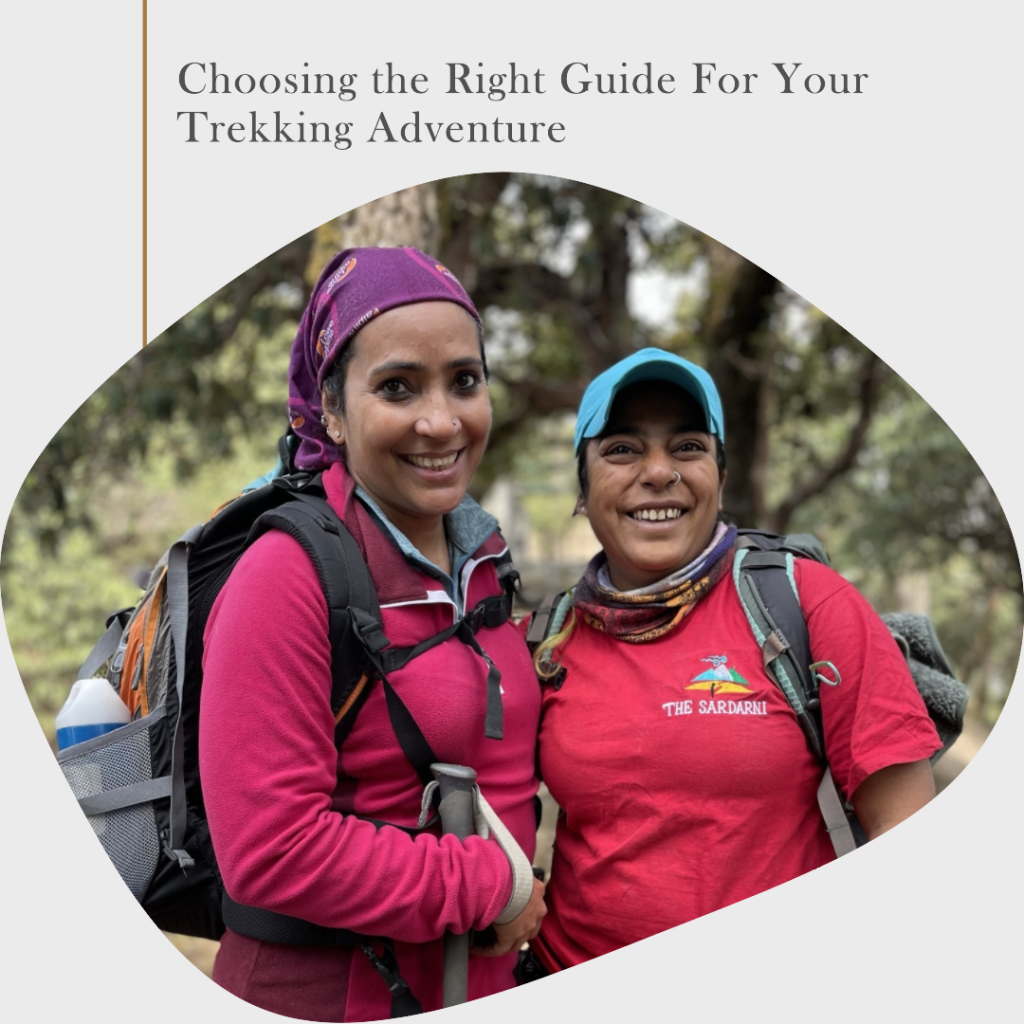
Choosing the Right Guide for Your Trekking Adventure: Questions to Ask Before You Trek

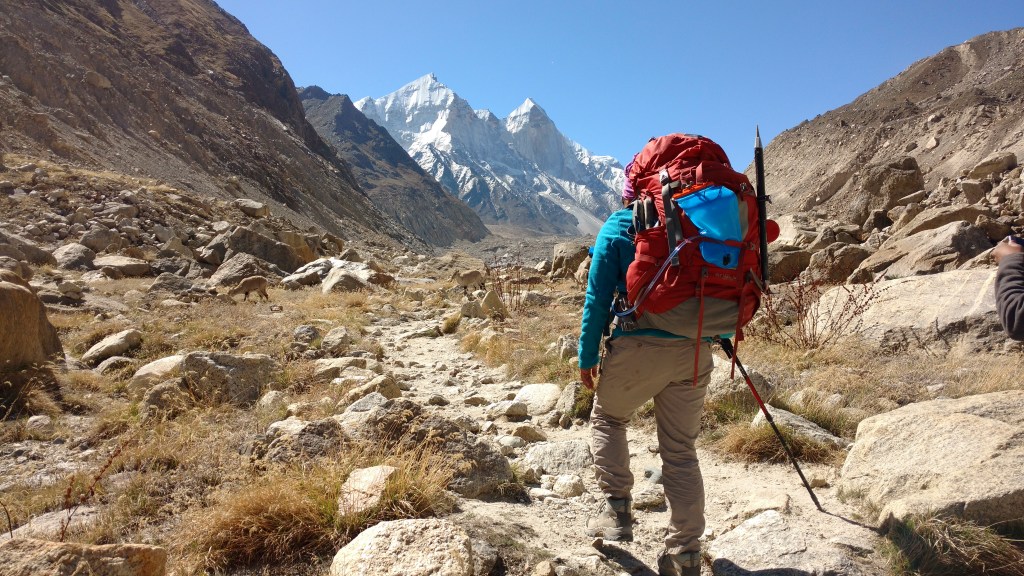
  • Embarking on a high-altitude trek through the majestic Himalayan landscapes or a low-altitude trek through the ever withstanding Sahyadris is an experience like no other. The rugged beauty, cultural richness, and breathtaking vistas make it a journey of a lifetime. However, venturing into the Himalayas or the Sahyadris demands more than just enthusiasm and a sense of adventure. The key to a safe, fulfilling, and enriching trek lies in selecting the right guide.
  • A seasoned Himalayan or Sahyadris trekking guide is more than just a leader; they are your compass through uncharted territories, your guardian amidst challenges, and your window into the heart of local culture and nature. To ensure you choose a guide who not only matches your aspirations but also prioritises your safety and experience, it’s imperative to ask a series of essential questions before embarking on your journey.
  • In this guide, we highlight the critical questions to pose to your potential guide. Beyond their qualifications and experience, these inquiries provide invaluable insights into their preparedness, professionalism, and commitment to making your trek an unforgettable adventure.
  • What are their qualifications? Understanding the guide’s qualifications provides insight into their expertise and credibility. Inquire about certifications from relevant trekking organisations, wilderness training programs, and any specialised courses they might have completed. This question helps you gauge their formal training and dedication to their profession.
  • What training have they had? Beyond qualifications, ask about their specific training. This could include courses in wilderness survival, first aid, altitude sickness management, navigation, rescue experience and more. This question helps you assess their preparedness to handle various challenges that might arise during the trek.
  • What is their experience in the mountains and with guiding? Experience matters greatly when it comes to guiding treks, especially in the Himalayan or Sahyadri wilderness. Inquire about the number of treks they’ve led, the types of treks they’ve guided, and their familiarity with the specific region you’re trekking in. A guide with extensive experience is likely to be better equipped to handle unexpected situations and provide valuable insights.
  • Do they have adequate first aid training? First aid skills are crucial in remote and high-altitude environments where medical help might be far away. Ask about their first aid training and if they have certifications like Wilderness First Aid. A well-prepared guide should be capable of addressing injuries, altitude-related issues, and other medical emergencies.
  • What safety protocols and guidelines do they follow? Safety should be a top priority. Inquire about the safety protocols the guide adheres to during the trek. This could involve details about acclimatisation, rest days, emergency communication, and group management. Their commitment to safety reflects their professionalism and concern for trekkers’ well-being.
  • What are their worst-case scenario protocols? It’s essential to know how the guide handles worst-case scenarios such as severe weather, accidents, or medical emergencies. Ask about their contingency plans, evacuation procedures, and how they communicate with local authorities or rescue teams.
  • What is their knowledge about local flora and fauna? A knowledgeable guide enhances the trekking experience by providing insights into the local environment. Inquire about their understanding of the local plants, animals, and ecosystems. This adds an educational and immersive dimension to the trek.
  • What is their knowledge about local history and culture? The Himalayas have rich cultural and historical significance. A guide who can share stories about the region’s history, traditions, and indigenous communities can make the trek more culturally enriching.
  • What is their knowledge about local myths, legends, and mythology? Understanding local myths and legends adds a fascinating layer to the trek. Guides who can share these stories help trekkers connect with the region’s cultural and spiritual aspects.
  • What is their understanding of the role of a guide? This question helps you gauge the guide’s perspective on their responsibility. A dedicated guide understands that their role involves not only ensuring your safety but also enhancing your overall experience through education, support, and leadership.
  • How do you handle altitude sickness? Altitude sickness is a real concern in the Himalayas. Ask about the guide’s approach to preventing and managing altitude-related issues. Their knowledge of symptoms, acclimatisation strategies, and awareness of when to descend can be crucial.
  • How do you manage waste and promote responsible trekking practices? Responsible trekking includes leaving minimal ecological impact. Inquire about the guide’s waste management practices, their commitment to Leave No Trace principles, and any efforts to promote sustainable trekking.
  • How do you handle unforeseen weather changes? Weather in the mountains can be unpredictable. Ask about their approach to changing weather conditions, and whether they have alternative routes or plans in case of inclement weather.
  • What sets your guiding services apart from others? This question gives the guide an opportunity to highlight their unique selling points. Their answer can reveal their commitment to exceptional service and what they believe distinguishes them from other guides.

By asking these questions, you’ll gain a comprehensive understanding of your trekking guide’s qualifications, experience, and approach to guiding. This information will greatly contribute to a safe, enjoyable, and culturally enriching trekking experience in the breathtaking Himalayan and Sahyadri  landscapes.

Beginners’ Guide to Himalayan Trekking in India

Do the Himalayas stir a mix of excitement and uncertainty within you? Have you ever dreamt of navigating these awe-inspiring routes, only to feel overwhelmed by where to start? The Himalayas, often referred to as the ‘Abode of the Snow’, possess an enchanting allure that has captivated adventurers from around the globe. The call of this colossal mountain range is irresistible, transcending skill levels and beckoning both seasoned mountaineers and novice trekkers alike. Embarking on a journey through the Himalayas is a remarkable adventure that should be embraced at least once in a lifetime.

Distinguishing Trekking from Hiking

It’s crucial to understand the distinction between trekking and hiking. Hiking usually entails traversing shorter routes, while trekking involves more ambitious, multi-day journeys encompassing diverse terrains and altitudes. However, don’t be intimidated by the prospect of trekking. If you can walk, you can trek. While it doesn’t demand extraordinary skills, proper planning, suitable clothing, appropriate footwear, and basic common sense are essential to ensure a successful journey.

Navigating High Altitudes

High altitudes typically commence at around 8,000 feet (2,438 metres) above sea level and extend to the extremes where oxygen levels significantly decrease. The summit of Everest, towering at 29,035 feet or 8,848 metres, marks the pinnacle of physical ascent. Treks within this range are categorised as high altitude endeavours. Even within this expanse, there exist sub-classifications determined by increasing altitude. Further details regarding these categories can be explored in our blog titled ‘High Altitude: Fantastic Yet Dangerous’.

Preparation: Physical and Mental Conditioning

Embarking on a Himalayan trek demands a degree of physical and mental readiness. If a regular fitness routine isn’t part of your daily life, allocating four to six weeks to build your stamina before the trek is advantageous. Begin with activities such as walking for 1-2 hours on flat terrain initially, gradually advancing to 3 hours on inclines while carrying a backpack weighing around 5 kilograms. Enthusiasts of gym workouts can enhance their endurance by incorporating uphill treadmill walks with a backpack. Focusing on breathing techniques, particularly suited for higher altitudes with thinner air, is paramount.

Selecting the Right Season and Preparing for Challenges

The best times for Himalayan treks are typically during the pre-monsoon (April-June) and post-monsoon (August-November) seasons. Extensive research about the region, interactions with experienced trekkers, and thorough trip planning are essential. Embrace the principle of respecting the environment and adhering to safety standards. Remember that trekking in the Himalayas transcends a leisurely stroll; it’s an immersion in the untamed beauty of nature. Choose a reputable adventure company with certified guides who prioritise safety.

Choosing Your Trekking Destination

The Himalayas offer a spectrum of treks catering to various skill levels, from newcomers to seasoned climbers. Regions like Uttarakhand, Himachal Pradesh, Arunachal Pradesh, Sikkim, Kashmir, and Ladakh provide diverse trekking experiences. For beginners, treks within altitudes ranging from 8,000 to 14,000 feet serve as excellent starting points.

Essentials for a Fulfilling Trek

Carrying a route map is a prudent practice. Familiarise yourself with altitude sickness, a condition stemming from rapid ascents to high altitudes without proper acclimatisation. Invest in a well-fitting backpack equipped with padded shoulder straps and multiple pockets, ensuring your load doesn’t exceed 15kg. Footwear designed for trekking offers superior support and traction. Opt for a pair that’s slightly roomier than your regular shoes to accommodate potential foot swelling during treks. For a comprehensive list of trekking essentials, consult our dedicated blog post.

Embarking on a Himalayan trek constitutes a transformative journey. Adequate preparation, an attitude of respect towards nature, and the right gear are pivotal in ensuring a rewarding and indelible experience amidst these majestic mountains. Remember, the Himalayas are not merely a destination; they are a captivating saga waiting to unfold under your footsteps.