Where Are The Women Leaders In Adventure?


Where Are The Women Leaders In Adventure?

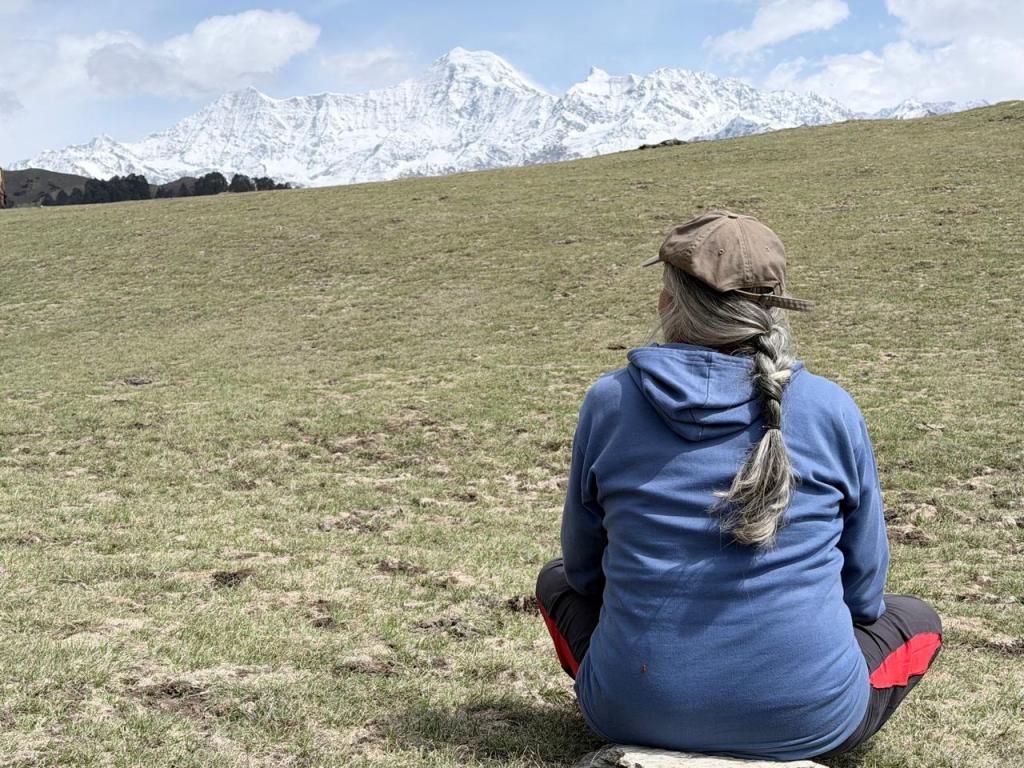
In April we had the privilege of walking with a 60+ year old lady to Dayara Bugyal. She is passionate about the mountains and has trekked all her life, time and circumstances permitting. It was an absolute delight when she mentioned that she too was an alumnus of NIM Uttarkashi, having done her BMC in the early 80s (several years before her guide was born)! 
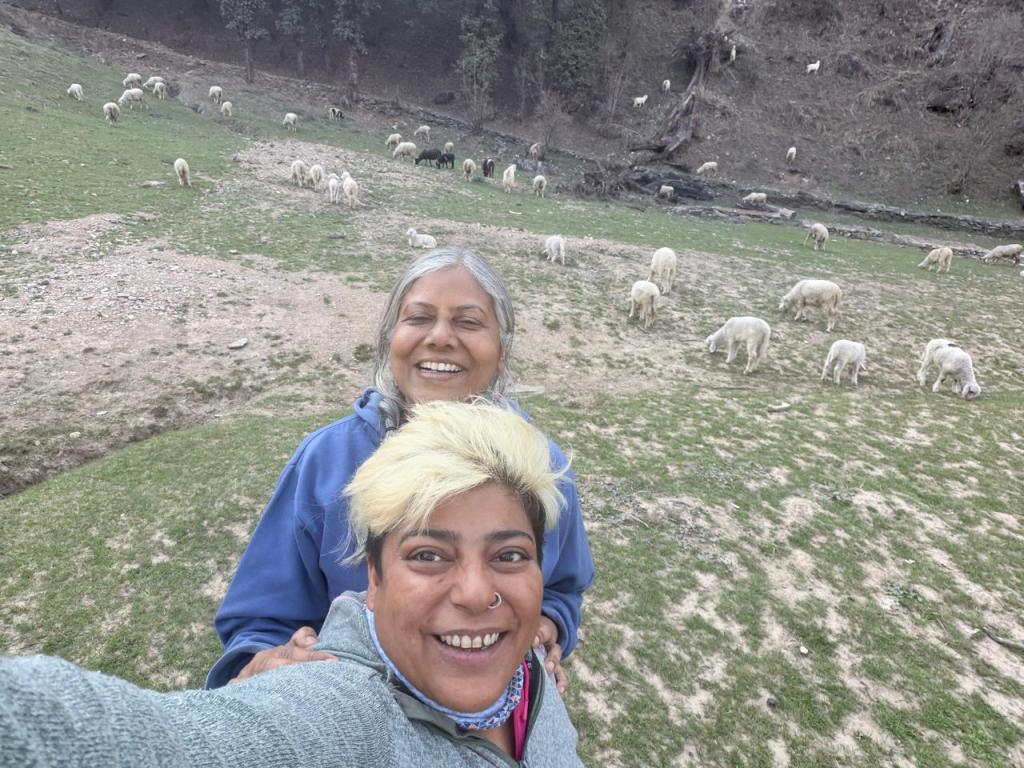
In our conversations she mentioned that post her BMC and her Master’s degree she sent out her CV to the handful of adventure travel companies active in those years. Like so many of us she has a non-gender specific name. She was called for an interview. At the meeting the interviewer told her point blank, “we didn’t realise you are a girl. Sorry we don’t hire women”.

Cut to the late 2000s and similar words were spoken to us. It struck a deep chord that in over 40 years women are still hearing the same words repeated to them. 

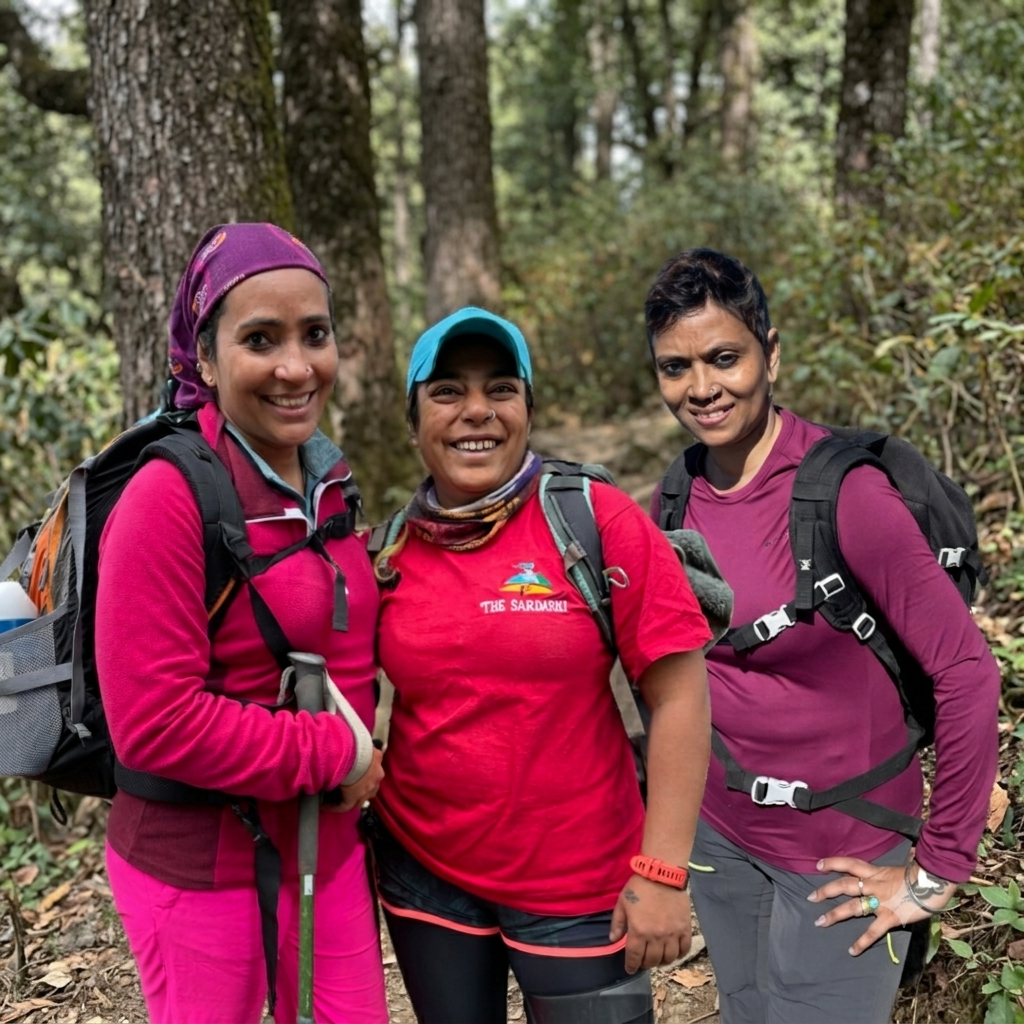
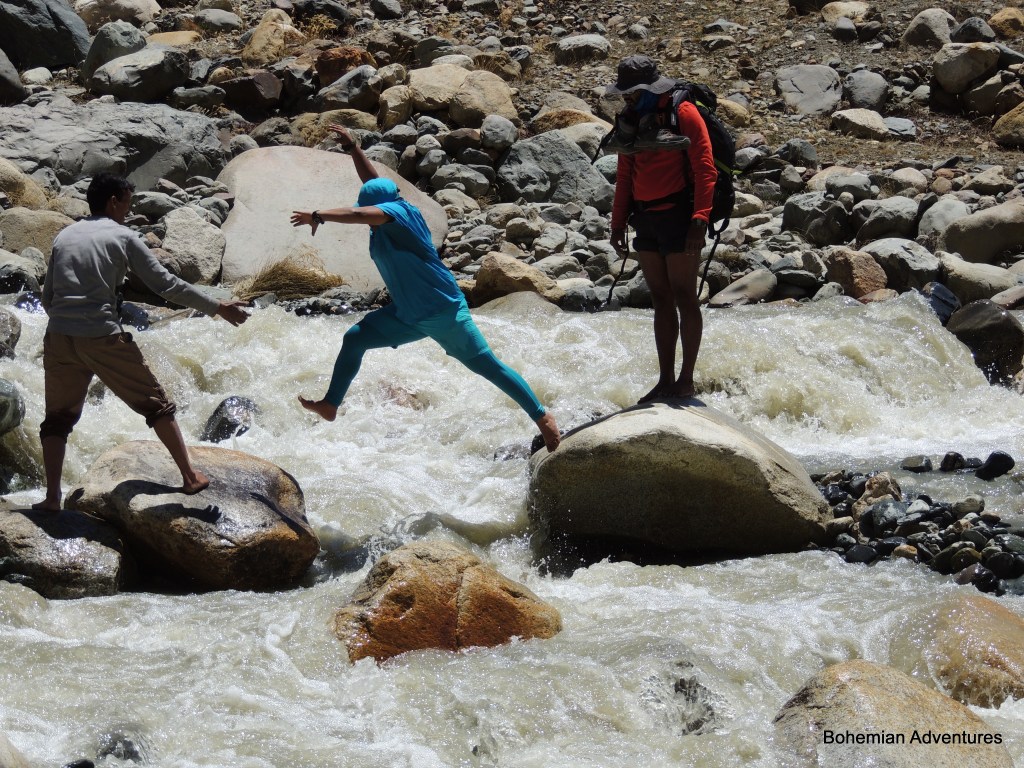
The adventure industry loves talking about empowerment. It celebrates resilience, courage, leadership, risk-taking, and breaking barriers. It proudly posts photographs of women on mountain summits, crossing rivers, climbing rock faces, and trekking through remote wilderness.
Yet an uncomfortable question looms like the elephant behind the Saal: if adventure truly is empowering, why are there still so few women-led companies and women guides in the industry?

The contradiction is hard to ignore.

The Indian adventure industry has exploded over the past decade. At a conference held by the Adventure Tour Operators of India recently the Minister for Tourism, GOI, Mr Gajendra Singh Shekhawat himself said the adventure industry is no longer a niche market, it has become mainstream. 

Every weekend, thousands head into the mountains. New adventure companies mushroom almost every month. Social media has turned mountain travel into a booming business.

Yet despite this growth, women continue to occupy only a dingy corner in the name of leadership positions.

What makes this even more puzzling is the talent pipeline already exists. Every year, dozens of women successfully complete mountaineering courses from institutes across India. They learn technical climbing, navigation, rescue techniques, expedition planning, and outdoor leadership skills. They prove themselves in the same mountains and under the same conditions as their male counterparts. Yet very few eventually become professional guides, expedition leaders, or founders of adventure companies.

Why?

Part of the answer lies in the way the industry itself is structured. For years, outdoor leadership has been viewed as a male domain. The image of the mountain guide remains overwhelmingly masculine. Clients often expect a man to lead. Companies continue to recruit predominantly male guides. Leadership opportunities frequently circulate within familiar networks that have historically excluded women. 

A friend of ours, a spectacular woman, prefers Alpinism. She is strong, meticulous and a couple of years back spent nearly two months traversing Himachal Pradesh solo carrying everything she needed for each major Pass on her back. She planned her entire journey down to the last calorie and butane canister before she left. That is her caliber, that is her potential. 

She used to work at one of the most awarded and well known adventure travel companies in India. She was hired on the promise of a 50-50 desk to field assignment. Any guesses as to her fate? In the half decade she worked for them she was delegated to a desk and was allowed to lead only 2-3 treks. Dejected and saddened, she quit. She now works as an Outdoor Instructor in the United States. 

There  is another issue that is discussed even less. Insecurity. For an industry that speaks constantly about community, collaboration, and shared passion for the outdoors, there can be a surprising reluctance to support women who are trying to build something of their own. Women are celebrated when they participate. They are applauded when they summit. They are praised when they inspire. But the moment they become competitors, founders, or leaders, the enthusiasm can quietly disappear. Recommendations become fewer. Opportunities become scarcer. Professional support often evaporates. The barriers become subtle rather than visible.

Many industries are actively discussing diversity in boardrooms, leadership pipelines, and entrepreneurship. Yet the outdoor sector, which prides itself on progressive values, often struggles to practice the very inclusion it promotes. The issue is not capability. Women have repeatedly demonstrated that they can lead expeditions, manage risk, guide clients, handle emergencies, and run successful businesses. The issue is access, opportunity, visibility, and support. Representation is not achieved by putting more women in marketing brochures. It is achieved when more women own companies. When more women lead expeditions. When more women are hired as guides. When more women are recommended for opportunities. When success is seen as something to be shared rather than protected.
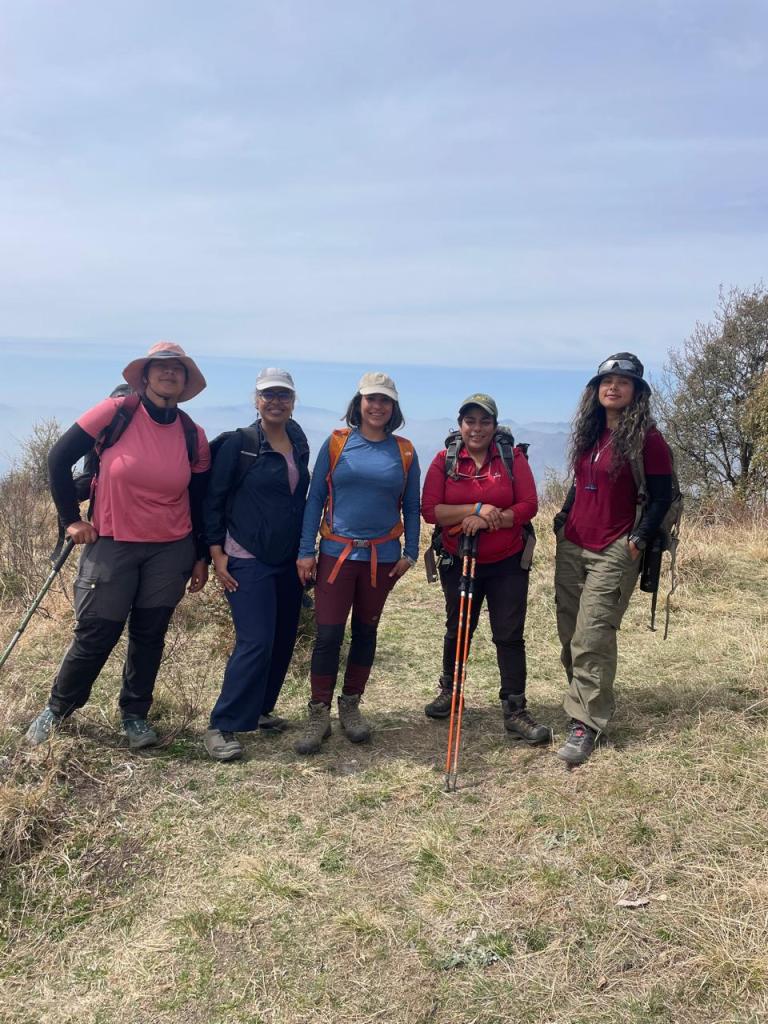
The future of adventure should not simply be about getting more women onto the trail. It should be about ensuring more women are leading the trail. Until that happens, the industry’s conversation around empowerment remains incomplete. True empowerment is not about participation alone. It is about leadership.

Ask Your Adventure Travel Company


Embarking on an adventure journey is a thrilling prospect, a chance to discover the world’s most captivating landscapes and challenge your personal limits. However, the success and safety of your adventure heavily rely on the adventure travel company you choose. With a plethora of options available, it’s vital to ask the right questions before committing to a company. In this guide, we’ll walk you through a comprehensive list of questions to pose to adventure travel companies, ensuring you make an informed decision that leads to a memorable and secure experience. From guide qualifications to safety protocols, ethical practices to environmental responsibility, we’ve got you covered with everything you need to know before embarking on your next great adventure.

  1. Client to Guide Ratio: The client to guide ratio is crucial for personalised attention and safety. A lower ratio allows guides to focus on each individual’s needs, enhancing the overall experience and safety measures during the adventure. We follow a standard 3:1 client to guide ratio. We bring this down still more if the group dynamic calls for it. 
  2. Guide Qualifications: Inquire about the guides’ certifications, training, and experience. Experienced guides with certifications in wilderness first aid, rescue techniques, and local knowledge can greatly enhance the quality of the adventure. Our guides are Basic, Advance and Search and Rescue Courses qualified. They also have valid first-aid courses under their belt. 
  3. Safety Protocols: Understanding the company’s safety protocols is paramount. Ask about their risk management plans, emergency response procedures, and how they handle unexpected situations to ensure your safety throughout the journey. 
  4. Adventure Insurance: Having adventure insurance helps cover unforeseen events, medical emergencies, and trip cancellations. Make sure the company provides options for adventure-specific insurance to protect yourself and your investment. Also ask if they properly insure their staff and guides. We provide high risk insurance cover from ASC360 for all our clients, guides and staff. We do not differentiate and get the same insurance for clients and the staff.
  5. Tourism Department Registration: Confirm if the company is registered with state or central tourism departments. This ensures they meet certain legal and safety requirements and adhere to regulations. If not, be sure to ask why they are not registered. We are registered with the Uttarakhand State Tourism Department and are in the process of getting our registration with the central government. 
  6. Membership with ATOAI: Being a member of the Adventure Tour Operators Association of India (ATOAI) reflects a commitment to industry standards and ethical practices. If a company isn’t a member, inquire about their reasons for not joining. We are members and Guneet is on a sub committee called the ATOAI Women’s Collective that focuses on women’s related issues in the industry. 
  7. Equipment Quality: The quality of equipment significantly impacts your adventure. Ask about the condition and maintenance of gear such as tents, sleeping bags, and safety equipment. Well-maintained gear ensures comfort and safety. 
  8. Group Size: Knowing the number of trekkers in each batch affects the group dynamics and overall experience. Smaller groups lead to more personalised interactions with guides and fellow travellers. Our standard group sizes are between 8 to 9 trekkers.
  9. Fixed or Rolling Camps: Inquire if the company uses fixed camps (staying at one location) or rolling camps (moving campsites). This affects the type of experience you’ll have and your level of comfort during the adventure. It also sheds light on the company’s environmental policy and their adherence to it. Rolling camps are better for the environmental health of trails.  
  10. Ethical Staff Payments: Ask about the company’s approach to compensating their staff. Ethical treatment and fair wages for guides, porters, and support staff indicate a responsible and socially conscious company. We pay our guides and staff higher than industry standards. 
  11. Worst Case Scenario Protocols: Understanding how the company handles worst-case scenarios, such as natural disasters or medical emergencies, is vital. Their protocols for evacuations, communication, and managing emergencies demonstrate their commitment to your safety. We have volunteered in rescue and relief efforts in 3 different mountain disasters thus we have an excellent handle on how to build our protocols for these situations and how to act quickly in an emergency.
  12. Local Community Engagement: How does the company engage with and support the local communities in the areas they operate? Responsible tourism includes contributing positively to the communities you visit. We have local guides and staff from each valley we operate in. We also take our social responsibility seriously and we regularly sponsor girls from the mountain villages to gain their certifications so that they can make a decent career in the adventure tourism industry.
  13. Environmental Practices: Inquire about the company’s commitment to minimising environmental impact. Ask about waste disposal, recycling efforts, and practices to leave no trace in natural areas.
  14. Food and Dietary Requirements: If you have dietary restrictions or preferences, ask how the company accommodates these needs during the adventure. Good nutrition is essential for sustaining your energy during treks.
  15. Physical Fitness Requirements: Understand the physical fitness level required for the adventure. This ensures you’re adequately prepared for the challenges of the trek or activity.
  16. Reviews and References: Request references from past participants or read online reviews. Hearing about others’ experiences can provide valuable insights into the company’s services.
  17. Pre-Trip Preparation: Ask about the pre-trip information provided, including packing lists, fitness preparation recommendations, and any necessary documentation. We extensively communicate with all our clients before each trek to prepare them for the trek. With help in getting fit and with zoom calls to help with packing and any other questions the clients may have.
  18. Communication during the Trip: Inquire about the communication channels the company uses during the adventure. Knowing how to reach the guides or company in case of non-emergencies is useful.
  19. Crisis Management Plan: Delve deeper into the company’s crisis management plan. Ask how they handle unforeseen events, manage logistics during emergencies, and communicate with participants’ families if necessary.
  20. Cultural Sensitivity and Education: Find out how the company educates participants about the local culture, customs, and etiquette. Cultural sensitivity enriches the experience and fosters mutual respect.
  21. Altitude Sickness and Medical Support: If your adventure involves high altitudes, ask about the company’s approach to altitude sickness prevention and treatment. Inquire about the availability of medical support during the trip.
  22. Itinerary Flexibility: Understand if the company allows for flexibility in the itinerary to accommodate unexpected changes in weather, trail conditions, or other factors.
  23. Group Dynamics: Ask about the typical composition of groups – diverse in age, nationality, or experience. This gives you an idea of the kind of fellow travellers you’ll be with. As our treks are open to inclusivity we take the group dynamic aspect quite seriously. We inform all our clients about the dynamic on a particular trek and take extra guides if the group dynamic is skewed in anyway. 
  24. Post-Trip Services: Inquire about any post-trip services, such as feedback collection, follow-up, or opportunities for sharing your experience with others.

Remember, the more information you gather from these questions, the better you can assess whether a particular adventure travel company aligns with your preferences, values, and expectations for an unforgettable experience. You’ll be better equipped to make an informed decision when choosing an adventure travel company. Prioritising safety, ethical practices, qualified guides, and a high-quality experience will contribute to a memorable and enjoyable adventure.