
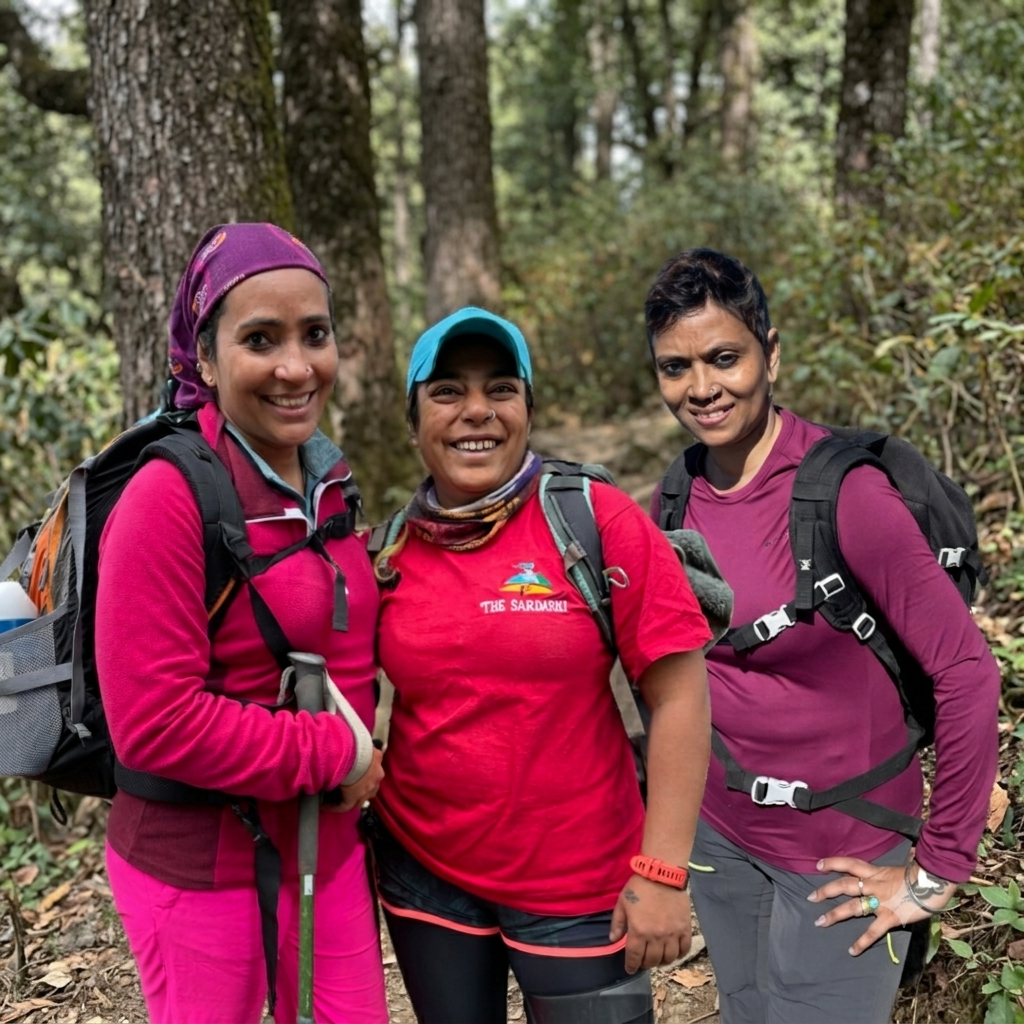
Where Are The Women Leaders In Adventure?
In April we had the privilege of walking with a 60+ year old lady to Dayara Bugyal. She is passionate about the mountains and has trekked all her life, time and circumstances permitting. It was an absolute delight when she mentioned that she too was an alumnus of NIM Uttarkashi, having done her BMC in the early 80s (several years before her guide was born)!
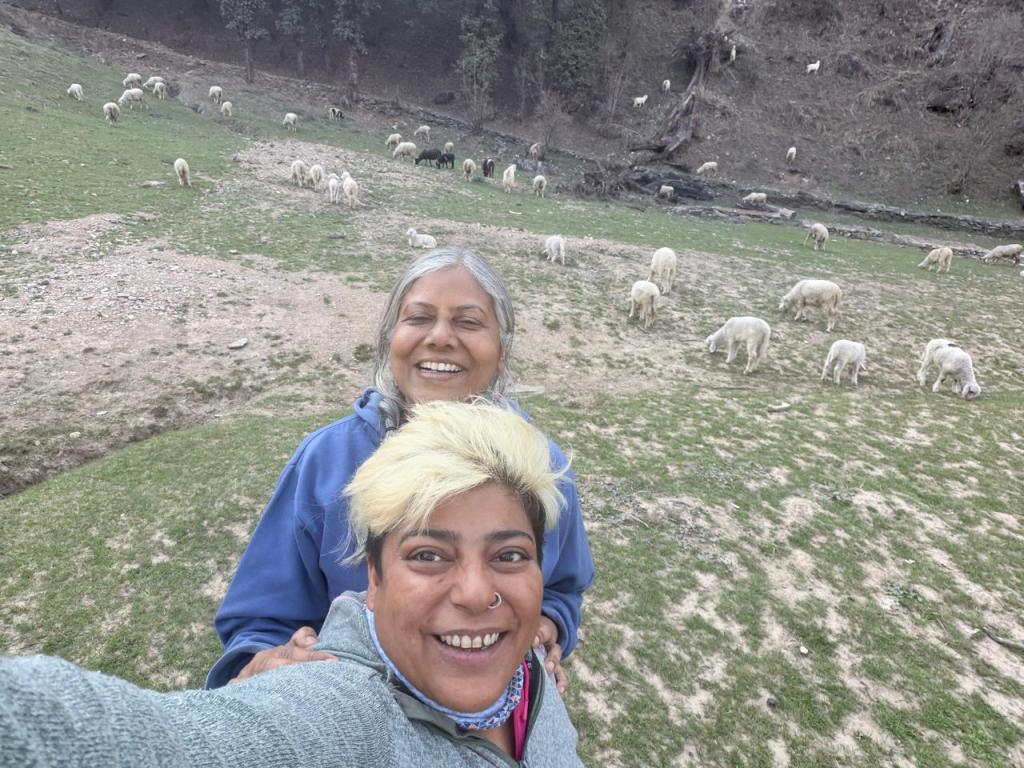
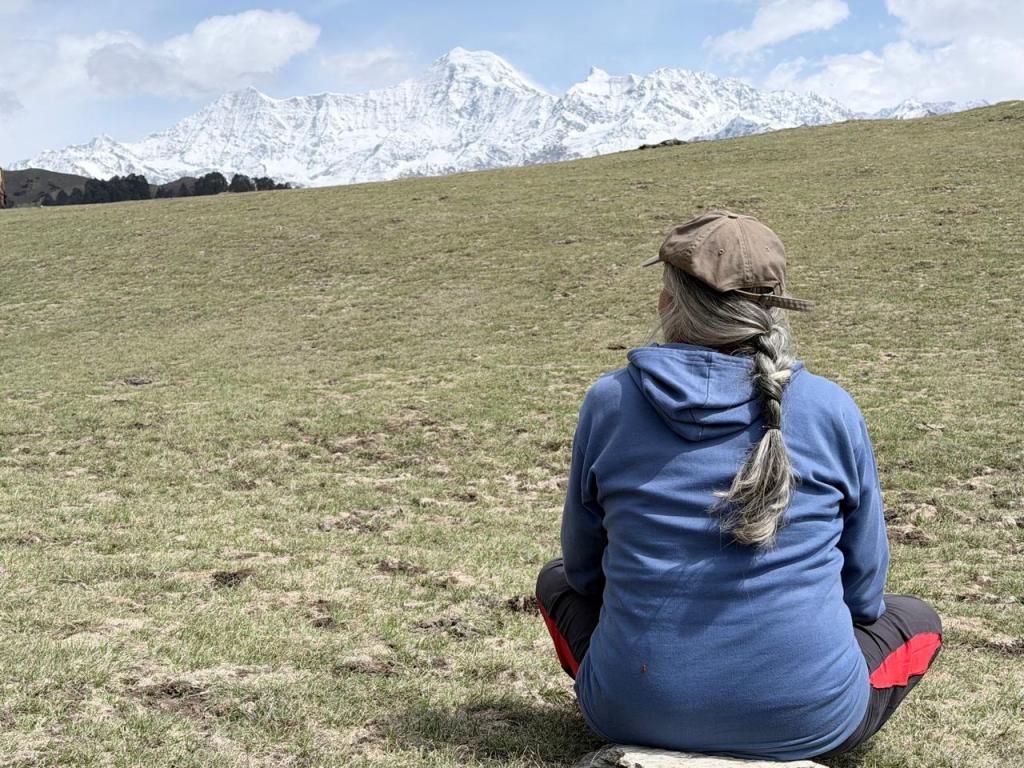
In our conversations she mentioned that post her BMC and her Master’s degree she sent out her CV to the handful of adventure travel companies active in those years. Like so many of us she has a non-gender specific name. She was called for an interview. At the meeting the interviewer told her point blank, “we didn’t realise you are a girl. Sorry we don’t hire women”.
Cut to the late 2000s and similar words were spoken to us. It struck a deep chord that in over 40 years women are still hearing the same words repeated to them.
The adventure industry loves talking about empowerment. It celebrates resilience, courage, leadership, risk-taking, and breaking barriers. It proudly posts photographs of women on mountain summits, crossing rivers, climbing rock faces, and trekking through remote wilderness.
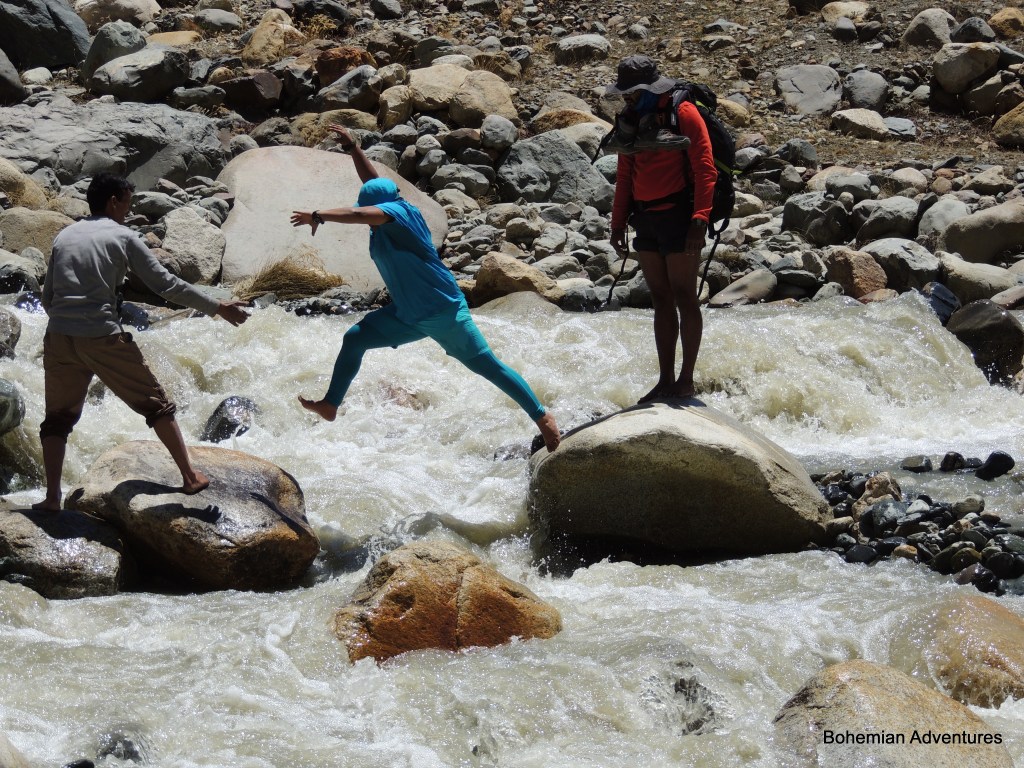
Yet an uncomfortable question looms like the elephant behind the Saal: if adventure truly is empowering, why are there still so few women-led companies and women guides in the industry?
The contradiction is hard to ignore.
The Indian adventure industry has exploded over the past decade. At a conference held by the Adventure Tour Operators of India recently the Minister for Tourism, GOI, Mr Gajendra Singh Shekhawat himself said the adventure industry is no longer a niche market, it has become mainstream.
Every weekend, thousands head into the mountains. New adventure companies mushroom almost every month. Social media has turned mountain travel into a booming business.
Yet despite this growth, women continue to occupy only a dingy corner in the name of leadership positions.
What makes this even more puzzling is the talent pipeline already exists. Every year, dozens of women successfully complete mountaineering courses from institutes across India. They learn technical climbing, navigation, rescue techniques, expedition planning, and outdoor leadership skills. They prove themselves in the same mountains and under the same conditions as their male counterparts. Yet very few eventually become professional guides, expedition leaders, or founders of adventure companies.
Why?
Part of the answer lies in the way the industry itself is structured. For years, outdoor leadership has been viewed as a male domain. The image of the mountain guide remains overwhelmingly masculine. Clients often expect a man to lead. Companies continue to recruit predominantly male guides. Leadership opportunities frequently circulate within familiar networks that have historically excluded women.
A friend of ours, a spectacular woman, prefers Alpinism. She is strong, meticulous and a couple of years back spent nearly two months traversing Himachal Pradesh solo carrying everything she needed for each major Pass on her back. She planned her entire journey down to the last calorie and butane canister before she left. That is her caliber, that is her potential.
She used to work at one of the most awarded and well known adventure travel companies in India. She was hired on the promise of a 50-50 desk to field assignment. Any guesses as to her fate? In the half decade she worked for them she was delegated to a desk and was allowed to lead only 2-3 treks. Dejected and saddened, she quit. She now works as an Outdoor Instructor in the United States.
There is another issue that is discussed even less. Insecurity. For an industry that speaks constantly about community, collaboration, and shared passion for the outdoors, there can be a surprising reluctance to support women who are trying to build something of their own. Women are celebrated when they participate. They are applauded when they summit. They are praised when they inspire. But the moment they become competitors, founders, or leaders, the enthusiasm can quietly disappear. Recommendations become fewer. Opportunities become scarcer. Professional support often evaporates. The barriers become subtle rather than visible.
Many industries are actively discussing diversity in boardrooms, leadership pipelines, and entrepreneurship. Yet the outdoor sector, which prides itself on progressive values, often struggles to practice the very inclusion it promotes. The issue is not capability. Women have repeatedly demonstrated that they can lead expeditions, manage risk, guide clients, handle emergencies, and run successful businesses. The issue is access, opportunity, visibility, and support. Representation is not achieved by putting more women in marketing brochures. It is achieved when more women own companies. When more women lead expeditions. When more women are hired as guides. When more women are recommended for opportunities. When success is seen as something to be shared rather than protected.
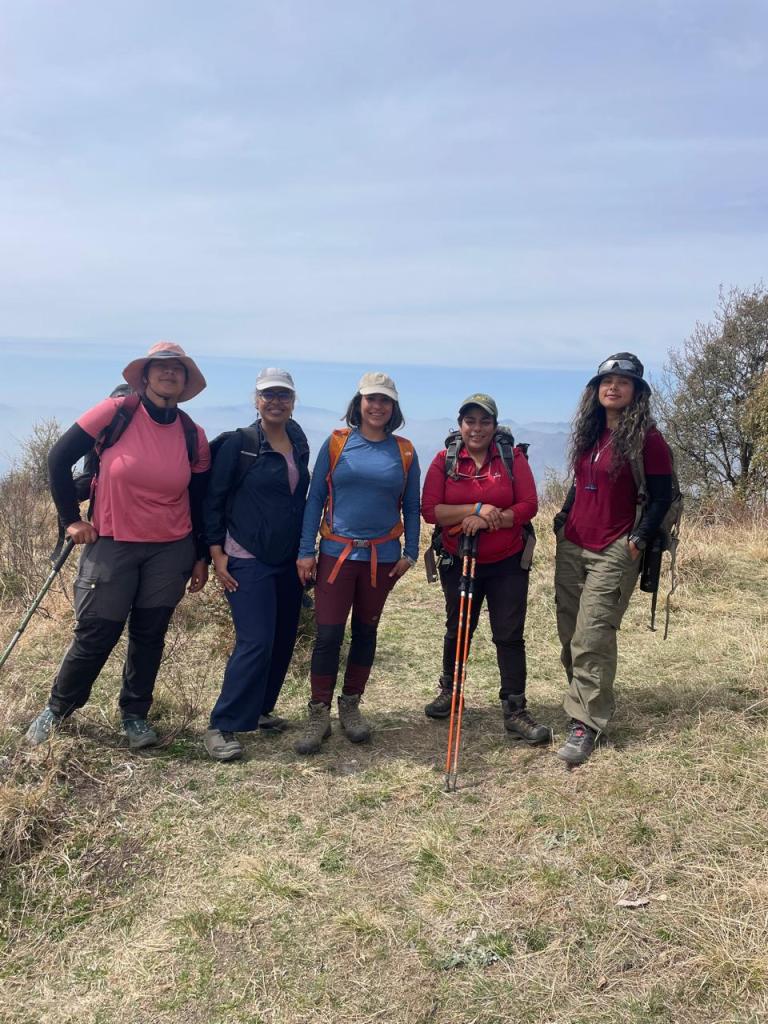
The future of adventure should not simply be about getting more women onto the trail. It should be about ensuring more women are leading the trail. Until that happens, the industry’s conversation around empowerment remains incomplete. True empowerment is not about participation alone. It is about leadership.

